Moving into a new home feels like a clean slate. The walls are freshly painted, the carpets might be steam cleaned, and the whole place smells like nobody has lived there in weeks. None of that is the same as the space being hygienically clean. The surfaces you are about to eat off, sleep near, and touch hundreds of times a day have been touched by people you have never met, cleaned to a standard you have no visibility into, and potentially harboring microbial residents that have nothing to do with visible dirt or dust. The move-in clean is one of the most genuinely important cleaning events in your life, and most people approach it as an aesthetic exercise rather than a hygiene one.
This is not about anxiety or obsessive cleaning. It is about understanding which surfaces carry real contamination risk from previous occupants, prioritizing those surfaces before your belongings go in and your routine takes over, and doing it once thoroughly so you can forget about it and focus on making the space yours.
Why Professional Cleaning Is Not the Same as Disinfection
Most rentals and purchased homes receive some level of cleaning before a new occupant moves in. Landlords typically hire professional cleaners. Sellers often stage and clean before closing. New construction gets a builder's clean before handover. Each of these processes addresses what you can see: floors, surfaces, appliances, windows. None of them are designed around disinfection, and the distinction matters more than most people realize.
Cleaning removes visible dirt, grease, and debris. It makes a space look and smell presentable. Disinfection kills the pathogens that cleaning physically removes from some surfaces and leaves behind on others. A professional move-out clean of a rental apartment is optimized for the landlord passing an inspection and getting the deposit back. It is not optimized for eliminating the microbial load that accumulated over years of previous occupancy.
Research on pathogen survival on household surfaces is unambiguous about the timeline. MRSA can survive on dry surfaces for weeks to months. Norovirus persists on hard surfaces for days to weeks depending on humidity and temperature. Influenza viruses survive on non-porous surfaces for 24 to 48 hours. These are not organisms that disappear when someone runs a mop across the floor or wipes a counter with a sponge and all-purpose cleaner. They require a product with a documented kill claim applied at an adequate contact time to eliminate them from a surface.
The people who previously occupied your home were strangers whose health history, hygiene habits, and household practices you know nothing about. That is not a judgment. It is simply the reality that the contamination baseline of a space you are moving into is unknown, and that an unknown baseline in a space you are about to inhabit fully is worth resetting before you settle in.
Which Surfaces Carry the Highest Contamination Risk From Previous Occupants?
Not every surface in a new home requires the same level of attention. The ones that matter most are those that saw the highest frequency of hand contact during the previous occupancy, those that are most likely to have been inadequately addressed by standard cleaning, and those that you will contact most frequently going forward.
Light switches and outlet covers are the single most overlooked surface category in any cleaning process, including professional move-out cleans. They are touched dozens of times per day by every person in the household over the entire duration of occupancy, they are small enough to be skipped during routine cleaning, and they collect hand oils and microbial transfer with every contact. Going through every light switch and outlet cover in the home with a disinfecting wipe before you move in takes twenty minutes and addresses a contamination reservoir that will otherwise carry over directly from the previous occupants into your daily life.
Door handles and knobs, both interior and exterior, are in a similar category. Exterior door handles have been touched by everyone who entered the property, including delivery people, maintenance workers, and guests, across the entire previous occupancy. Interior door handles, particularly those on bathroom and kitchen doors, carry the highest bacterial load of any handle surface in a typical home. Wiping every handle and knob in the property is a straightforward thirty-minute task that makes a measurable difference in the contamination baseline you are starting with.
Kitchen surfaces deserve focused attention that goes beyond what move-out cleans typically provide. The inside surfaces of kitchen cabinets, particularly the lower shelves where food contact is most likely, carry residue from previous occupants that no amount of wiping from the outside will address. Refrigerator shelves and door gaskets harbor food residue, mold, and bacterial contamination even after a surface wipe, and the door gaskets specifically are an area where contamination accumulates in the folds and is rarely adequately cleaned. Drawer interiors, the area around the sink including the faucet handle and the underside of the spout, and the stove knobs are all high-priority kitchen surfaces that the previous household used constantly and that standard cleaning treats inconsistently.
Bathroom surfaces require the most thorough disinfection of any room in the new home. The toilet, including the handle, the seat, and the exterior base and pedestal, is the obvious priority. Less obvious are the bathroom sink faucet handles, which are touched with unwashed hands before every handwashing and with wet hands after, making them among the most consistently contaminated surfaces in any home. The shower and tub surfaces, including the faucet controls and the showerhead interface, carry skin bacteria and potentially mold and mildew contamination from the previous occupancy. Bathroom cabinet interiors and medicine cabinet shelves have stored other people's personal care products and should be wiped before yours go in.
The HVAC system and air vents are worth mentioning even though they fall outside the scope of surface wipe disinfection. The ductwork and filters of a home's HVAC system carry accumulated particulates, allergens, and potentially mold spores from the entire previous occupancy. Replacing the air filters on your first day in the new home, before you run the system for the first time, is a basic step that most new occupants skip and that makes a real difference in the air quality baseline of the space.
What About Surfaces That Look Brand New?
New construction presents a different profile than a previously occupied rental or resale home, but it is not a hygienically clean environment either. Construction workers, trades people, inspectors, and real estate agents have been through the property dozens of times during the build. Surfaces installed weeks or months before you take possession have been handled repeatedly, and the builder's clean that precedes handover is focused on removing construction debris and dust rather than disinfecting contact surfaces.
Cabinets and countertops in new construction have been handled during installation, touched during inspection and showing, and subjected to the hands of everyone involved in the final stages of the build. The advantage of new construction is that you know the contamination is recent and limited to the construction and sales process rather than years of household occupancy. The disinfection task is smaller but still worth completing before your belongings go in.
Plumbing fixtures in new construction may have been sitting in supply chains and on job sites for extended periods before installation. Faucets, showerheads, and toilet components that have been in storage are not sterile, and running water through them for the first time does not flush the microbial load from the external surfaces that your hands will contact every day.
Appliances, both those included with a new construction purchase and those left behind by previous owners in a resale, should be wiped down inside and out regardless of how new they appear. Appliances left behind in a resale home in particular carry the previous household's contamination history in their interior surfaces, refrigerator drawers, dishwasher interiors, microwave cavities, and washing machine drums all warrant specific attention before first use.
What Is the Right Way to Actually Approach the Move-In Disinfection?
The most effective approach to move-in disinfection is to do it before your belongings enter the space, while every surface is accessible and before your furniture, boxes, and daily items create obstacles and time pressure. The window between getting your keys and your moving truck arriving is the ideal moment, and if you can plan for a few hours in that window, you can complete a thorough disinfection of the priority surfaces without rushing.
Work room by room in a logical sequence that prevents you from recontaminating surfaces you have already cleaned. Start with the highest-touch surfaces in each room before moving to secondary surfaces. In the kitchen, start with the interior cabinet surfaces and shelves, then the refrigerator, then the countertops, then the sink area and faucet, then the stove knobs and control panel. In bathrooms, start with the toilet, then the sink faucet handles, then the mirror frame and cabinet surfaces, then the shower or tub controls. Wipe light switches and door handles in each room as you move through it.
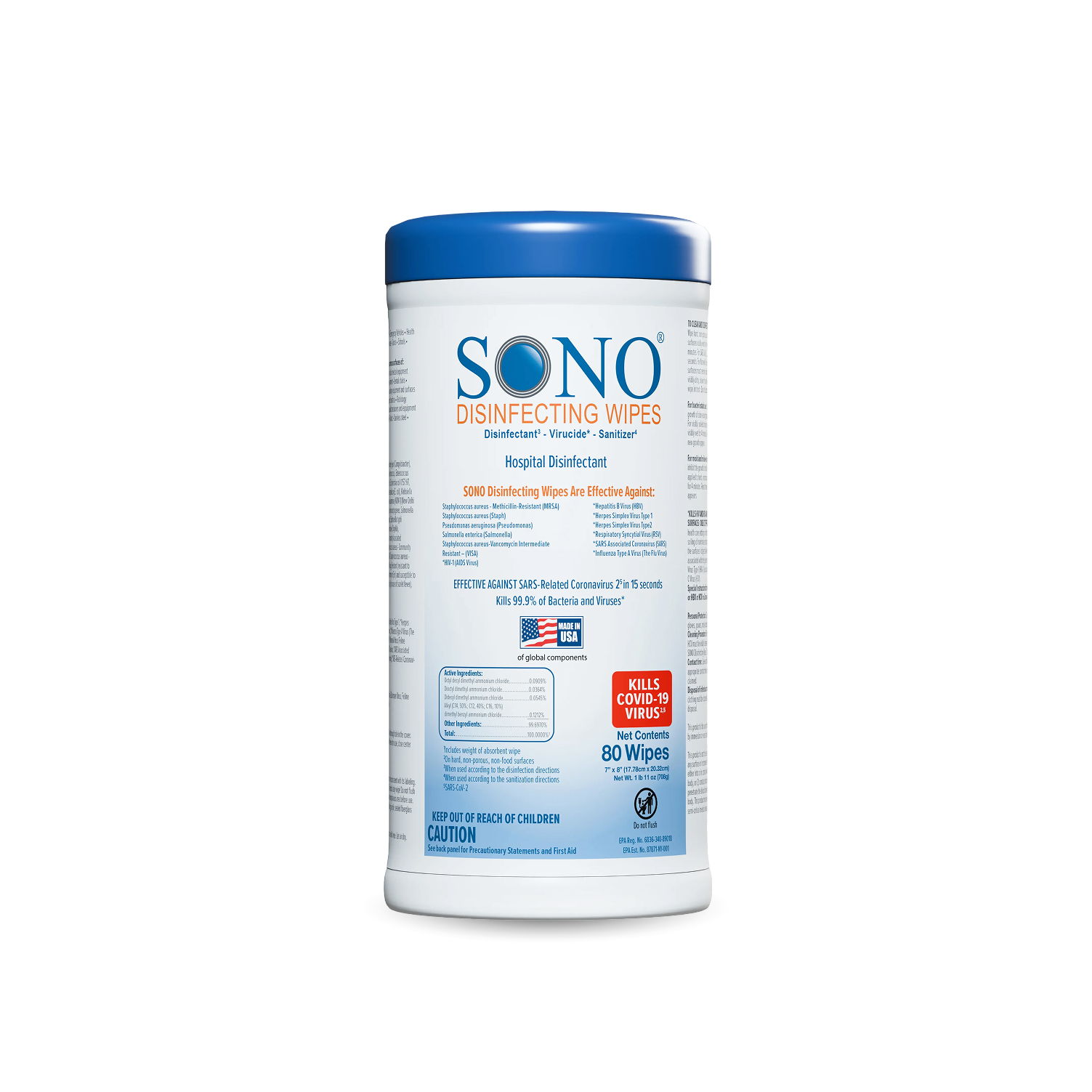
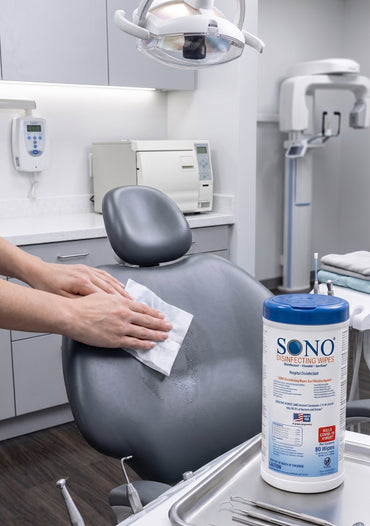
Allow each surface to remain wet for the full contact time of the product you are using before moving on or placing anything on that surface. This is not a cosmetic clean. The contact time is the step that actually eliminates pathogens rather than just redistributing them. A one-minute contact time on a BZK product is workable in a move-in context because you are naturally moving to the next surface while the previous one completes its dwell time.
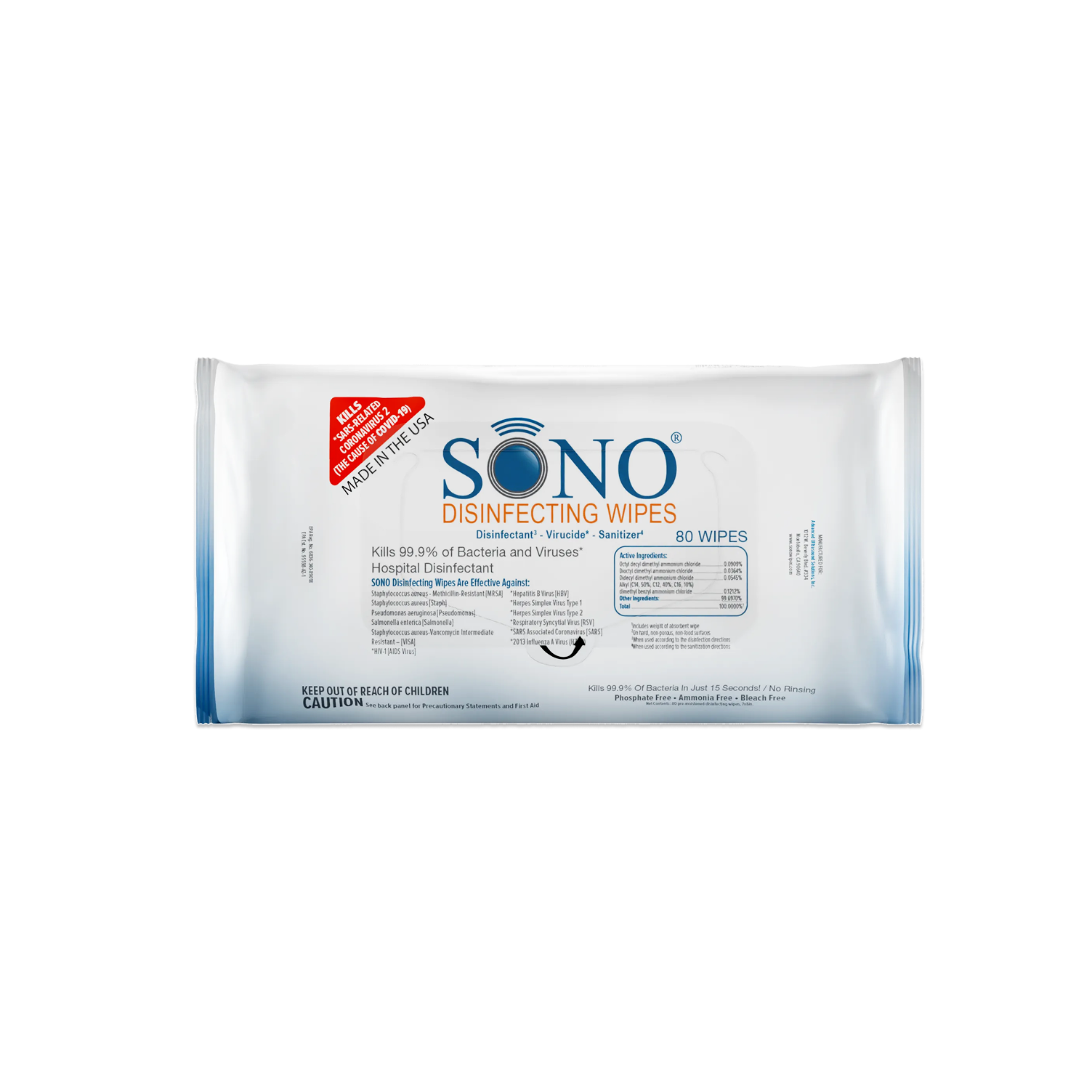
Bring enough wipes to do this properly. Running out partway through and finishing the job with whatever is on hand defeats the purpose of the exercise. For a one-bedroom apartment, plan for at least one full canister or two to three packs of wipes. For a larger home, scale accordingly. The cost of the wipes is negligible compared to the cost of the space and the value of starting with a genuinely clean baseline.
What Is the Fastest Way to Do This if You Are Short on Time?
Not everyone has the luxury of a few unhurried hours before the moving truck arrives. If your move-in window is tight, there is a prioritized version of the same exercise that covers the highest-risk surfaces in under an hour.
The absolute first priority is the kitchen, specifically the surfaces that will contact your food and your hands multiple times every day from day one. The refrigerator interior, the countertops, the sink and faucet, and the cabinet interior surfaces where food will be stored. This takes fifteen to twenty minutes and addresses the contamination that poses the most direct daily exposure.
The second priority is the bathrooms. Toilet handle and seat, sink faucet handles, and shower or tub controls. Ten minutes per bathroom covers the surfaces with the highest pathogen concentration in any residential space.
The third priority is light switches and door handles throughout the home. A quick pass through every room wiping every switch and handle is fifteen minutes of work that interrupts the contamination transfer pathway at every point of daily contact.
If you have time for a fourth pass, kitchen cabinet interiors and the surfaces of any appliances left in the home round out the quick version of the move-in disinfection. Everything else can be incorporated into your regular cleaning routine as you settle in.
How Do You Think About the Move-In Clean Relative to Your Ongoing Routine?
The move-in disinfection is a one-time reset, not the beginning of a permanent elevated cleaning standard. The goal is to establish a known baseline rather than to maintain the level of attention that the move-in clean requires on an ongoing basis. Once you have disinfected the priority surfaces and the space is yours, your normal cleaning routine takes over and maintains that baseline through regular high-touch surface disinfection and household cleaning.
What the move-in clean does is close the gap between the unknown contamination history of the previous occupancy and the known, manageable contamination load of your own household. Every previous home you have lived in, you built up your own microbial baseline gradually through normal occupancy. Moving into someone else's space puts you in direct contact with their accumulated baseline from day one, and the move-in disinfection is the step that replaces their baseline with a clean starting point for yours.
The surfaces most worth maintaining on an ongoing basis after the move-in clean are the same ones that were highest priority at move-in: kitchen counters and the sink area, bathroom faucet handles and toilet surfaces, and high-touch hardware like light switches and door handles. These are the surfaces that accumulate contamination most rapidly through daily use, and a regular wipe-down two to three times per week keeps them at a hygienic level without requiring the comprehensive pass that the initial move-in clean demanded.
Frequently Asked Questions
Should you disinfect a home that has been vacant for several months?
Yes, and in some respects a home that has been vacant for an extended period requires more attention than one that was recently occupied. Vacancy creates conditions that favor mold and mildew growth, particularly in bathrooms, under sinks, and in any area with residual moisture. HVAC systems that have been off or running without filter changes accumulate particulate matter and potentially mold spores. Rodent and insect activity, which is more common in vacant properties, leaves contamination on surfaces that standard cleaning does not address. The priority surfaces for a vacant-home disinfection are the same as for any move-in, with the addition of under-sink cabinet interiors, HVAC vent covers, and any areas showing visible moisture or mold growth, which require remediation rather than disinfection before occupancy.
What should you do about carpet and upholstered surfaces that came with the home?
Carpet and fabric surfaces cannot be effectively disinfected with wipes, and this is a meaningful gap in any move-in cleaning process. For carpet, professional steam cleaning before move-in is the best available option for reducing the pathogen load carried over from previous occupants. Steam cleaning at adequate temperature kills most common household pathogens and removes the organic material that supports their survival. For upholstered furniture left behind by previous owners, professional upholstery cleaning is the appropriate intervention. If neither is feasible before move-in, treating these surfaces with a fabric-appropriate sanitizing product and allowing thorough drying time provides a partial mitigation. Hard surface disinfection remains fully achievable with wipes regardless of what happens with soft surfaces.
Does it matter if the previous occupants were clean and healthy?
The honest answer is that you have no way of knowing, and the disinfection rationale does not depend on the answer. Even households with excellent hygiene habits accumulate normal skin bacteria, gastrointestinal organisms, and respiratory pathogens on high-touch surfaces over the course of an occupancy. The issue is not whether the previous occupants were clean but whether the contamination they inevitably left behind on shared surfaces has been properly addressed before you take over the space. A thorough move-in disinfection is equally worthwhile regardless of anything you know or assume about how the previous household lived.
Is it worth disinfecting if the home was newly renovated before listing?
Renovation does not equal disinfection. A newly renovated home has been through months of construction traffic, contractor work, and inspection activity, all of which deposit contamination on the surfaces being worked on and installed. Fresh paint and new fixtures are aesthetically clean but not microbiologically clean. The disinfection priority in a renovated home is slightly different from a standard resale in that kitchen and bathroom fixtures, handles, and surfaces that were installed during the renovation are relatively recent but have been handled repeatedly since installation. The same priority surface approach applies, with particular attention to any areas that retained original surfaces through the renovation process, where the contamination history extends back through the full previous occupancy.