The nesting instinct is real, and most parents spend weeks before birth deep cleaning, organizing, and preparing the home. What most of that preparation misses is the specific hygiene dimension of a newborn's first weeks at home, which is different from general cleanliness in ways that matter a lot. A newborn's immune system is not yet functional in the way an older child's or adult's is. They have limited passive immunity from their mother, no vaccination history for most of the serious pathogens circulating in the world, and no ability to communicate when something is wrong. The home environment you bring them into has a direct and meaningful impact on their health during the most vulnerable weeks of their life.
None of this is a reason to panic or treat your home like a sterile medical facility. It is a reason to make a few specific, intentional choices about the products you use, the surfaces you prioritize, and how you manage visitors in the early weeks. Those choices are simpler than the anxiety around them suggests.
Why the Products You Use Matter More With a Newborn at Home
When there is a newborn in the house, the chemical environment you create through your cleaning choices becomes a direct variable in their health. Newborns have a higher surface area to body weight ratio than adults, which means chemical residue on surfaces affects them proportionally more. Their skin is thinner and more permeable, which means substances on surfaces transfer through contact more readily. And their immune systems, while not completely defenseless, are immature enough that infections that would be minor inconveniences for an adult can become serious illness in the first weeks of life.
The cleaning products most people have in their homes before a baby arrives were selected for a household without an infant. Standard disinfecting wipes often contain 60% to 70% isopropyl alcohol, bleach-based formulas, or fragrance compounds that are genuinely problematic in an environment where a newborn is spending most of their time.
Fragrance is the first ingredient category to eliminate. Fragrance in cleaning products is not a single compound but a blend that can contain dozens of individual chemicals, many of which are recognized contact allergens and respiratory sensitizers. Newborns breathe much more air relative to their body size than adults, and their airways are proportionally smaller, which makes airborne irritants from cleaning products a more significant exposure. Fragrance-free across all cleaning products used in the nursery and common areas is the straightforward standard.
High-concentration alcohol is the second category to eliminate. Alcohol vapor produced during application in an enclosed nursery is a respiratory irritant that no newborn needs to be breathing. Alcohol-free formulas eliminate this concern entirely without any sacrifice in disinfection efficacy when the formula is properly built around an EPA-registered active ingredient like benzalkonium chloride.
Bleach is the third. Even diluted bleach leaves residue that is not appropriate for contact with a newborn's skin, and the chlorine vapor produced in an enclosed space is a respiratory trigger. Bleach has its uses in a household, but those uses do not include the surfaces and spaces where a newborn spends their time.
Which Surfaces in the Nursery Need the Most Attention?
The nursery is the room where a newborn spends the majority of their time, and it is where surface hygiene has the most direct impact on their health. That does not mean every surface needs to be disinfected daily. It means being intentional about which surfaces carry real contamination risk and addressing those specifically.
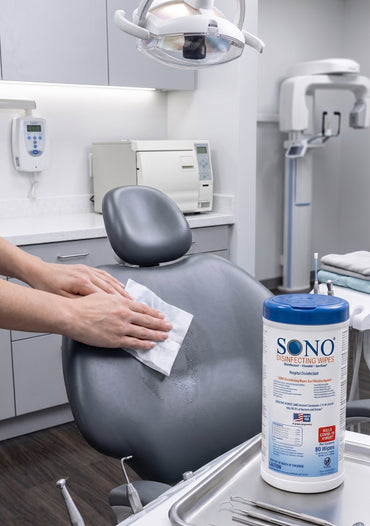
The diaper changing surface is the highest-priority surface in any nursery. It sees direct contact with fecal matter multiple times per day and is touched by both the baby and the caregiver at every change. Wipe the surface with a fragrance-free, alcohol-free disinfecting wipe after each change and allow it to dry before the next use. The contact time is typically one minute for BZK-based products, and in the natural rhythm of diapering there is usually enough time for this if you wipe the surface as soon as the diaper is secured and disposed of.
The crib or bassinet mattress surface deserves attention that most nursery preparation guides skip. Mattress covers are laundered regularly, but the bare mattress beneath and the interior of the crib frame accumulate surface contamination that can transfer through the cover during sleep. A wipe-down of the crib interior surfaces before the mattress goes in, and periodically when the cover is being laundered, addresses this without any additional daily effort.
Feeding surfaces including the nursing pillow cover, the bouncer seat surface, and any hard surfaces where bottles or feeding equipment are placed deserve regular disinfection. These are surfaces that combine direct baby contact with frequent caregiver hand contact and the organic material that makes surfaces an efficient pathogen environment.
What About the Rest of the Home?
The nursery is the priority, but a newborn does not stay only in the nursery. They move through the home in your arms, on your chest, on play surfaces, and anywhere family life takes them. The high-touch shared surfaces of the household carry as much risk as any nursery surface once the baby is mobile in your arms.
Door handles and light switches are the surfaces most commonly touched by everyone in the household, including visitors, and least frequently disinfected. A daily wipe of the handles and switches in the rooms the baby spends time in, including the nursery door, the bathroom, and wherever feeding and changing happen, interrupts the primary contamination transfer pathway from household hands to the surfaces nearest the baby.
The kitchen sink and faucet handle deserve attention in a household with a newborn because formula preparation, bottle washing, and food preparation for a nursing parent all happen in that space. The faucet handle is touched with unwashed hands before every handwashing cycle, making it a consistent recontamination point.
Your phone deserves specific mention because it is in your hand constantly during the newborn period, set down on every surface in the house, and held next to your face and often near the baby during feeds and settling. A daily wipe of your phone with an electronics-compatible, alcohol-free product takes ten seconds and removes one of the highest-contact germ vectors in any new parent's daily life.
How Do You Handle Visitors in the Early Weeks?
Visitors are one of the most meaningful infection risk factors in a newborn's first weeks, and navigating them requires a level of directness that many new parents find uncomfortable but that most people who love your family will respect without resentment if you explain it simply.
The non-negotiable standard for anyone holding the newborn is handwashing before contact. Not hand sanitizer as a substitute, but soap and water handwashing for at least twenty seconds. This applies to everyone without exception, including grandparents, close friends, and siblings arriving home from school. Handwashing with soap and water physically removes pathogens from skin in a way that hand sanitizer alone does not.
Visitors who are currently ill, who have been around someone who was ill in the past few days, or who have symptoms of any kind including mild cold symptoms should not hold the newborn during the early weeks. This is a clear standard that is easy to communicate in advance. Most people will be relieved to have explicit guidance rather than having to guess.
For visitors who will be in the home for extended periods, a wipe-down of the surfaces they will use most, the guest bathroom faucet and handle, the couch armrests, and the kitchen surfaces near where they will sit, before their arrival is a quick way to reduce the contamination they bring into the space.
What Is the Right Cleaning Frequency for a Newborn Household?
The anxiety around cleaning with a newborn often lands in one of two places: either parents feel they are not doing enough and are constantly cleaning, or they feel overwhelmed and do less than they should. The right frequency sits between those two poles and is more specific than a general "clean more" instruction.
Daily tasks for a newborn household are focused and brief. Wipe the diaper changing surface after every change. Wipe door handles and light switches in the rooms the baby uses. Wipe your phone. That is the core daily list and it takes under five minutes total.
Weekly tasks are more comprehensive. A full wipe-down of nursery surfaces including the crib interior, changing table legs and base, the rocker or glider if you have one, and any hard surfaces in the room where items are stored or placed. The kitchen faucet and sink area. The bathroom faucet handles. Any surface that visitors contacted during the week.
The goal is not sterility. It is maintaining a known, manageable contamination baseline in a home where the most vulnerable person cannot tell you when they are feeling unwell. A consistent, focused routine achieves that without the physical and mental load of constant cleaning during what is already one of the most demanding periods of a parent's life.
What Ingredients Should You Actually Look for in a Baby-Safe Cleaning Product?
Reading cleaning product labels becomes a worthwhile skill when there is a newborn in the house, and it takes less than two minutes once you know what you are looking for.
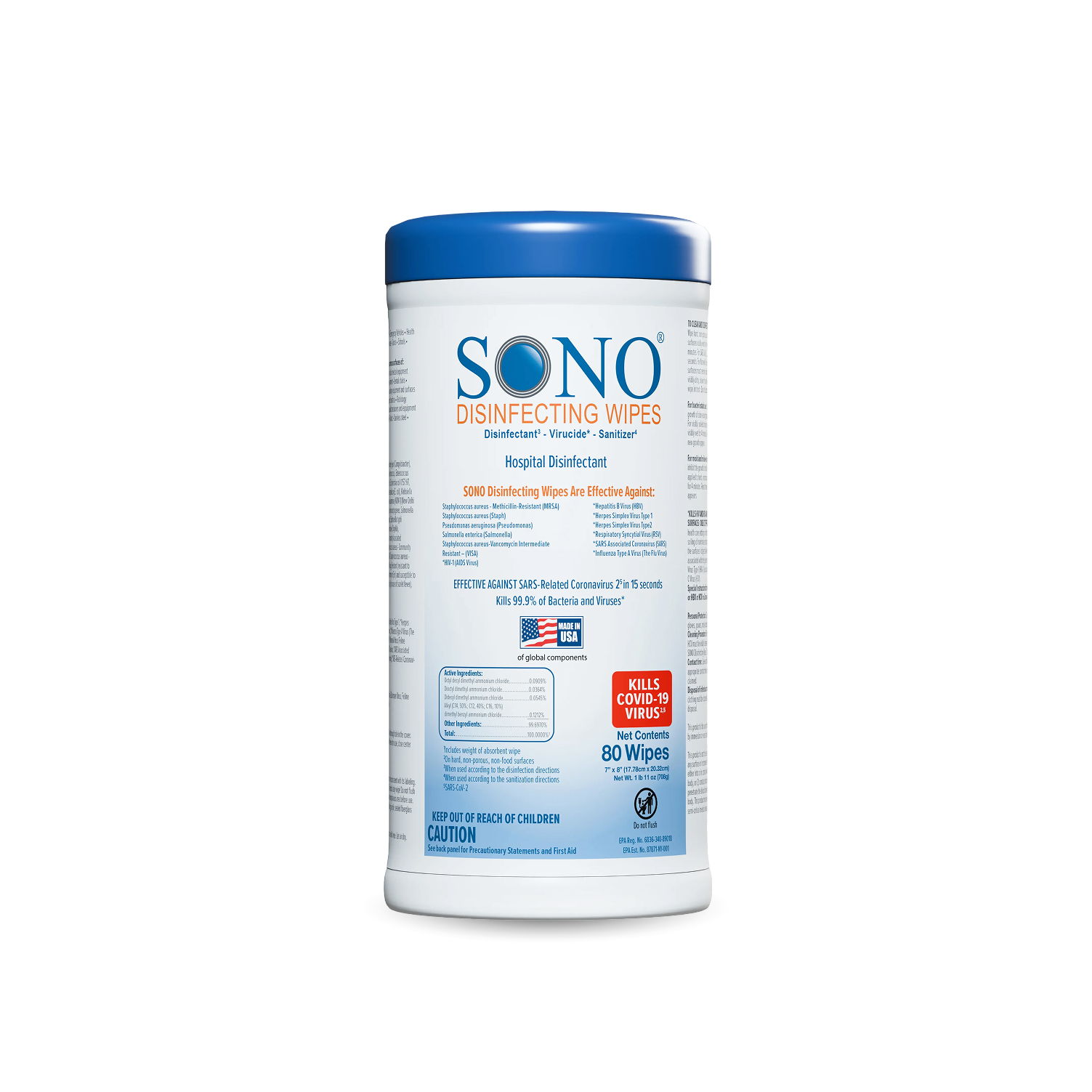
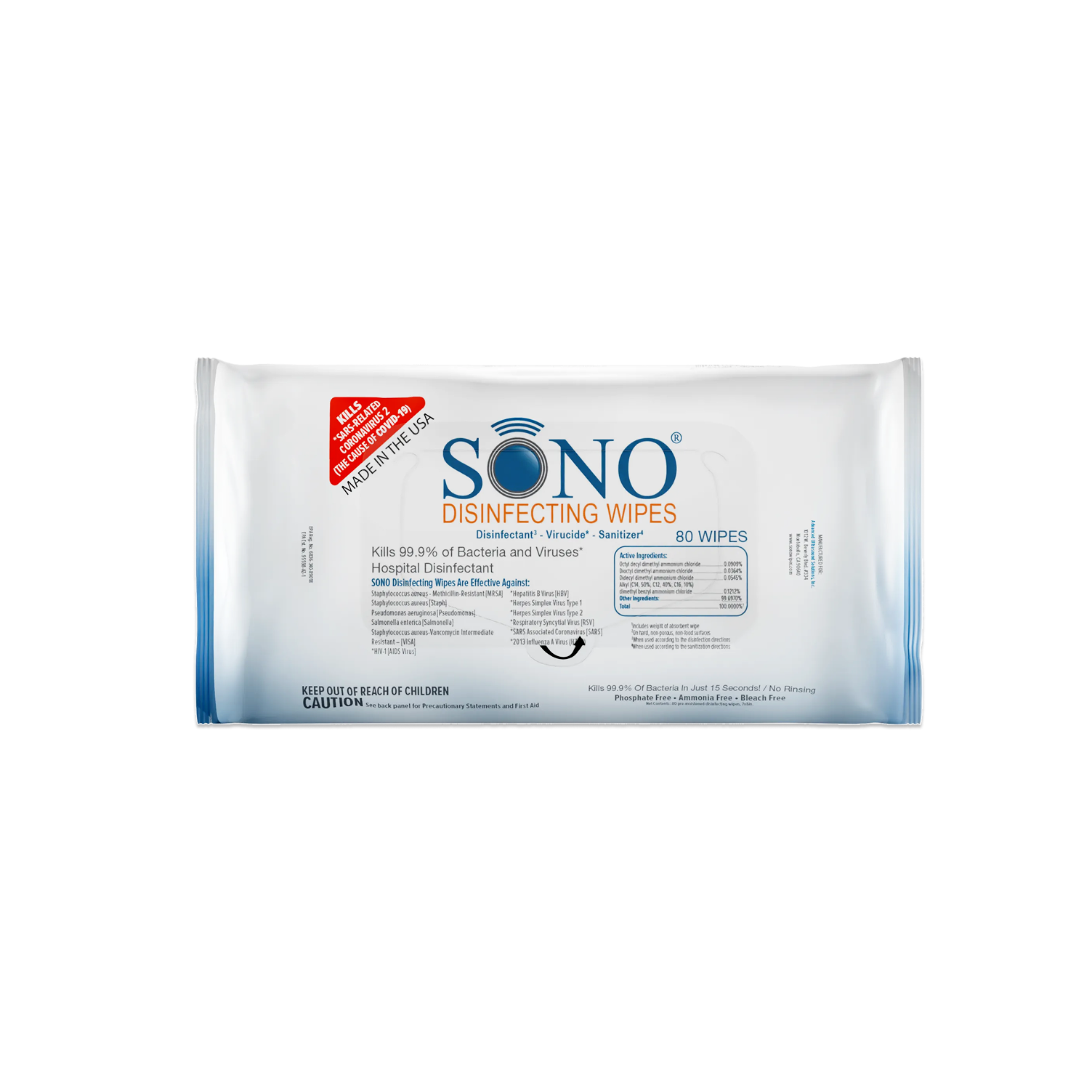
The active ingredient tells you what is doing the disinfecting. Benzalkonium chloride at 0.1% to 0.3% is the appropriate active ingredient for surfaces in a newborn's environment. It is the same compound used in wound care products, baby wipes, and nasal sprays, and its safety profile for contact with infants is well-established. What you are avoiding is sodium hypochlorite, which is bleach, and isopropyl or ethyl alcohol at disinfecting concentrations.
Fragrance-free must be explicitly stated on the label, not just implied by a neutral or pleasant scent. Fragrance-free means no added fragrance compounds have been included. Unscented is a different claim that can mean a masking fragrance was added to cover the smell of active ingredients. For a newborn's environment, fragrance-free is the standard that matters.
EPA registration confirms that the product's kill claims have been independently verified. An EPA registration number on the back label is the confirmation that the disinfection claims are real and not marketing language.
Frequently Asked Questions
When can you relax the cleaning standards as the baby gets older?
The newborn period, defined loosely as the first six to eight weeks, is the window of highest vulnerability. As the baby receives their first vaccinations starting around two months, their immune protection increases meaningfully. By three to four months, most parents can return to their standard household cleaning routine while maintaining the common-sense practices of handwashing before holding the baby and keeping visibly ill visitors away. The elevated cleaning focus of the newborn period is temporary and targeted, not a permanent new standard.
Is it safe to use regular cleaning products in other parts of the home while the baby is there?
In areas the baby does not access and with good ventilation, standard cleaning products present minimal risk. The concern is primarily in enclosed spaces where the baby spends time, where vapor from cleaning products can accumulate, and on surfaces the baby contacts directly. Standard products used in a well-ventilated bathroom while the baby is in another room, or in a kitchen while the baby is not present, are a different exposure scenario from those products being used in the nursery or on the changing table. Common sense about where and when you use stronger products is the practical standard, combined with baby-safe products for the spaces and surfaces the baby is in direct contact with.
What do you do if a sibling brings home an illness from school?
This is one of the most common and genuinely stressful scenarios for families with a newborn and older children. The practical response has two components. First, increase the frequency of disinfection for the shared surfaces the ill child has contacted, particularly bathroom surfaces, door handles, and any hard surfaces in common areas. Second, create as much physical separation as the household allows during the acute illness period, which typically means keeping the ill child out of the nursery and having them wash hands before any contact with the baby. A sick older sibling does not need to be quarantined from the household, but manageable distance and increased surface disinfection significantly reduces the transmission risk to the newborn.
Are baby wipes the same as disinfecting wipes for surface cleaning?
No, and this is a genuinely common source of confusion. Baby wipes are designed for skin contact and are formulated to be gentle and moisturizing. They do not contain active disinfecting agents at concentrations that kill pathogens on surfaces. Using baby wipes to clean the diaper changing surface or nursery surfaces removes visible debris but does not disinfect. Disinfecting wipes contain EPA-registered active ingredients at concentrations that kill pathogens, and they are designed for surface use, not skin contact. The two products are for different purposes and should not be used interchangeably in either direction.